
eStar Velocity
Why Your Electric Scooter Keeps Shutting Off in Atlanta’s Cold Weather

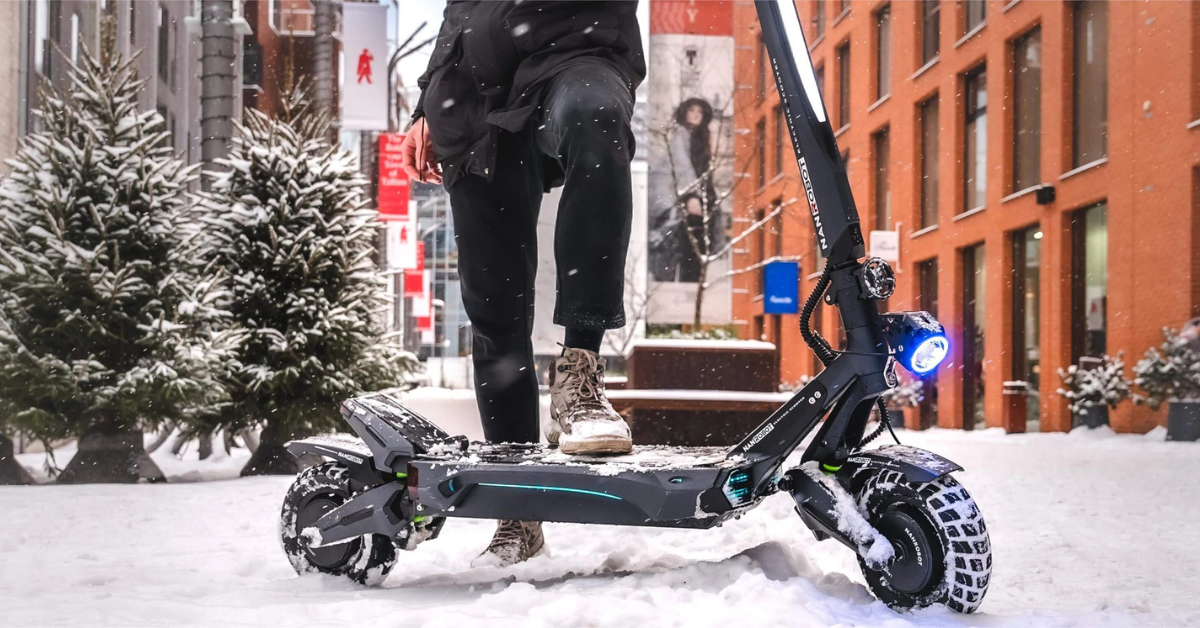
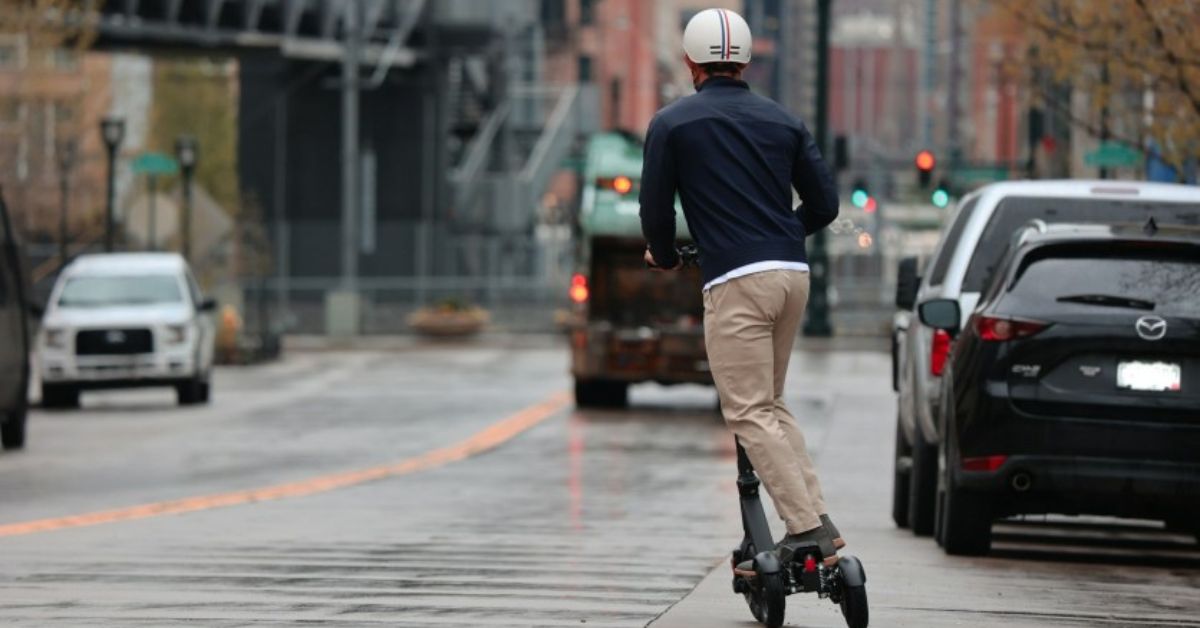
It’s a chilly Atlanta morning. The air feels crisp, traffic along Monroe Drive is crawling, and you’re cruising past backed-up Electric Scooter near the Atlanta BeltLine feeling good about your ride — until suddenly, everything cuts out. No throttle. No display. No power.
You pull over near Ponce City Market, step into the sun for a moment, and just as you’re preparing to walk the rest of the way, the scooter turns back on like nothing happened.
If this sounds familiar, you’re not alone. Every winter and early spring, Atlanta riders ask the same question:
“Why does my electric scooter keep shutting off when it’s cold?” The short answer is temperature sensitivity.
The longer answer? Cold weather affects batteries, motors, and electronics in ways most riders don’t expect — especially in Atlanta’s stop-and-go urban riding conditions.
Cold Temperatures Hit Electric Scooter Harder Than You Think
Atlanta winters aren’t extreme, but they’re deceptive. Temperatures in the 30s–50s may feel mild, yet lithium batteries lose efficiency well before freezing. Add morning dew, shaded streets, and longer rides, and components cool faster than riders realize.
Now combine that with Atlanta-specific riding conditions:
- Stop-and-go traffic in Midtown
- Long BeltLine stretches with constant acceleration
- Hills around Sylvan Road, West End, and Old Fourth Ward
- Crowded intersections near Little Five Points
Your scooter isn’t just moving you forward — it’s fighting cold, resistance, and gravity at the same time.
What’s Actually Causing the Shutdown of Electric Scooter in Cold Weather?
When a scooter shuts off in cooler temperatures, it’s rarely “broken.” In most cases, it’s protecting itself.
Battery Voltage Drop
Cold temperatures reduce battery efficiency. When voltage drops below safe operating levels under load, the scooter shuts off instantly. This is the most common winter shutdown cause in Atlanta.
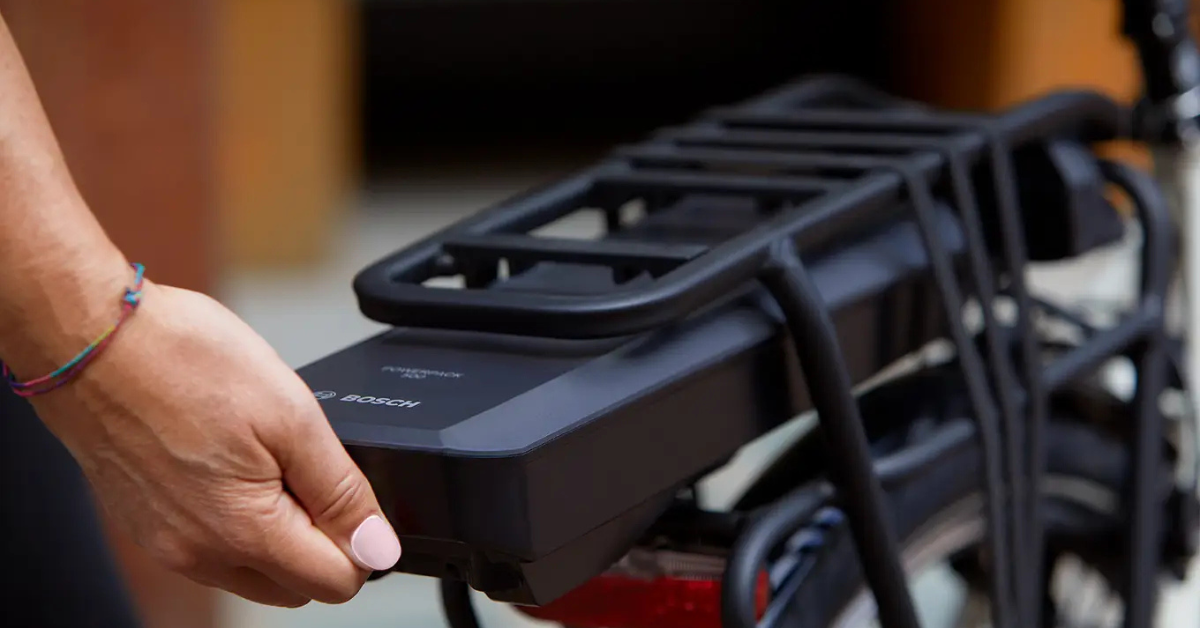
Battery Management System (BMS) Protection in Electric Scooter
Lithium batteries have built-in safety systems. If voltage dips too low during acceleration or hill climbs, the BMS cuts power to prevent permanent cell damage.
Cold-Stressed Motors
Motors require more energy to operate efficiently in cold conditions. On hills or during sudden acceleration, the motor can draw more power than the battery can safely supply — triggering a shutdown.
Controller Sensitivity of Electric Scooter
Controllers regulate power delivery. In cold weather, cheaper or aging controllers may misread voltage drops as faults and shut the system down prematurely.
Quick Reference: Common Cold-Weather Electric Scooter Shutdown Issues
| Symptom | What’s Happening | What It Means |
| Scooter shuts off on acceleration | Battery voltage sag | Cold-reduced output |
| Power loss on hills | High current draw | Battery protection engaged |
| Scooter restarts after warming | Battery recovers | Temperature related |
| Shortened range | Cold cell efficiency | Normal but manageable |
| Intermittent shutdowns | Aging battery | Diagnostic recommended |
If these issues happen repeatedly, warming up alone won’t solve the underlying problem.
Why This Happens More in Atlanta Than Colder Cities
Riders often assume colder cities would see more problems — but Atlanta’s climate creates unique stress.
Atlanta riders:
- Use scooters year-round
- Start rides in cold mornings, end in warmer afternoons
- Experience frequent temperature swings
- Ride hills more often than flat cities
That constant expansion and contraction accelerates battery wear faster than steady cold climates.
Riding Habits That Make Cold Shutdowns Worse
Even high-quality scooters can struggle if winter riding habits aren’t adjusted.
Hard Acceleration When Cold
Punching the throttle immediately draws high current from a cold battery. Gradual acceleration helps stabilize voltage.
Long Rides Without Warm-Up
Cold batteries perform best after a few minutes of gentle riding. Starting with full power too early increases shutdown risk.
Leaving Electric Scooter Outdoors Overnight
Cold-soaked batteries struggle far more than batteries stored indoors.
Charging Mistakes That Damage Batteries of Electric Scooter in Cold Weather
One of the most common winter mistakes happens after the ride.
Never charge your scooter:
- Immediately after a cold ride
- Outdoors in cold air
- In unheated garages during freezing nights
Charging cold batteries increases internal resistance and accelerates long-term degradation. Always let your scooter warm to room temperature indoors before charging.
Maintenance Issues That Show Up in Winter
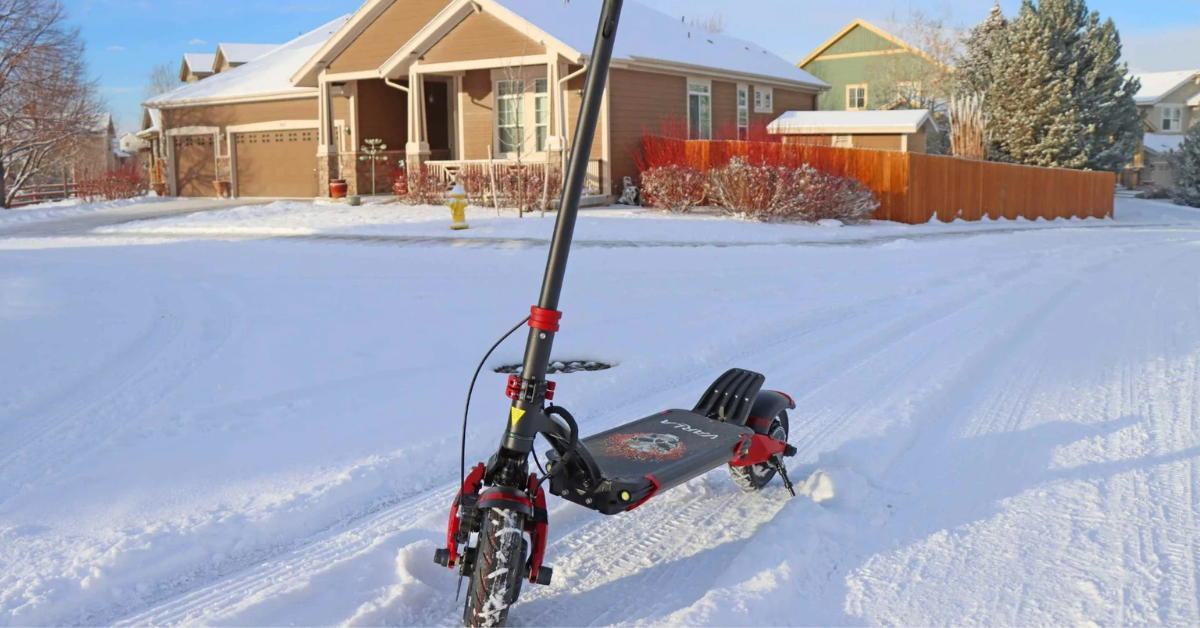
Cold weather exposes problems that summer hides.
- Aging batteries lose voltage faster
- Loose electrical connections worsen resistance
- Tire pressure drops increase motor load
- Outdated firmware may mismanage power delivery
These issues often go unnoticed until shutdowns begin.
When Cold-Weather Shutdowns Mean You Need a Diagnostic
A single shutdown on an unusually cold morning isn’t always serious. But repeated power loss is a warning sign.
Book a diagnostic if:
- Shutdowns happen more than once
- Power cuts out on mild inclines
- Range drops suddenly
- The scooter feels weak or inconsistent
- Error codes appear
Catching issues early can prevent a full battery replacement.That’s why Atlanta riders rely on eStar Rides for diagnostics designed around local conditions.
Why Local Diagnostics Matter in Atlanta
Scooters tuned for flat, consistent climates don’t behave the same here. Atlanta’s hills, traffic patterns, and temperature swings require localized testing.
Local diagnostics account for:
- Hill-induced voltage sag
- Cold-weather battery behavior
- Real commuter routes
- Year-round riding patterns
That difference often saves riders hundreds of dollars in unnecessary replacements.
Pro Tips from Atlanta Scooter Techs
- Store scooters indoors overnight during winter
- Let batteries warm before hard riding
- Keep tires properly inflated
- Avoid heavy loads in cold conditions
- Wear warm gear to maintain reaction time
Small changes make a big difference when temperatures drop.
Thinking About Upgrading your Electric Scooter for Cold-Weather Riding?
Some newer scooters handle cold conditions far better, with:
- Higher-quality battery cells
- Improved controllers
- Better power management
- Stronger hill performance
If your scooter struggles every winter, upgrading may be more cost-effective than repeated diagnostics.
Atlanta riders can explore:
- Free test rides
- Financing options like $75 down / $75 weekly
- Models designed for year-round commuting
Final Word: Cold Weather Isn’t the Enemy — Ignoring It Is
If your electric scooter keeps shutting off in Atlanta’s cold weather, it’s not bad luck or user error. It’s physics. Cold temperatures reduce battery output, strain motors, and expose weaknesses — especially on Atlanta’s hills and busy streets.
The good news? Proper riding habits, timely diagnostics, and smart repair and maintenance can keep your scooter reliable all winter and into spring.
Before your next ride leaves you stranded on the BeltLine, get it checked and ride Atlanta with confidence.