
eStar Velocity
The State of Electric Mobility in Atlanta 2025: What Changed and What’s Next

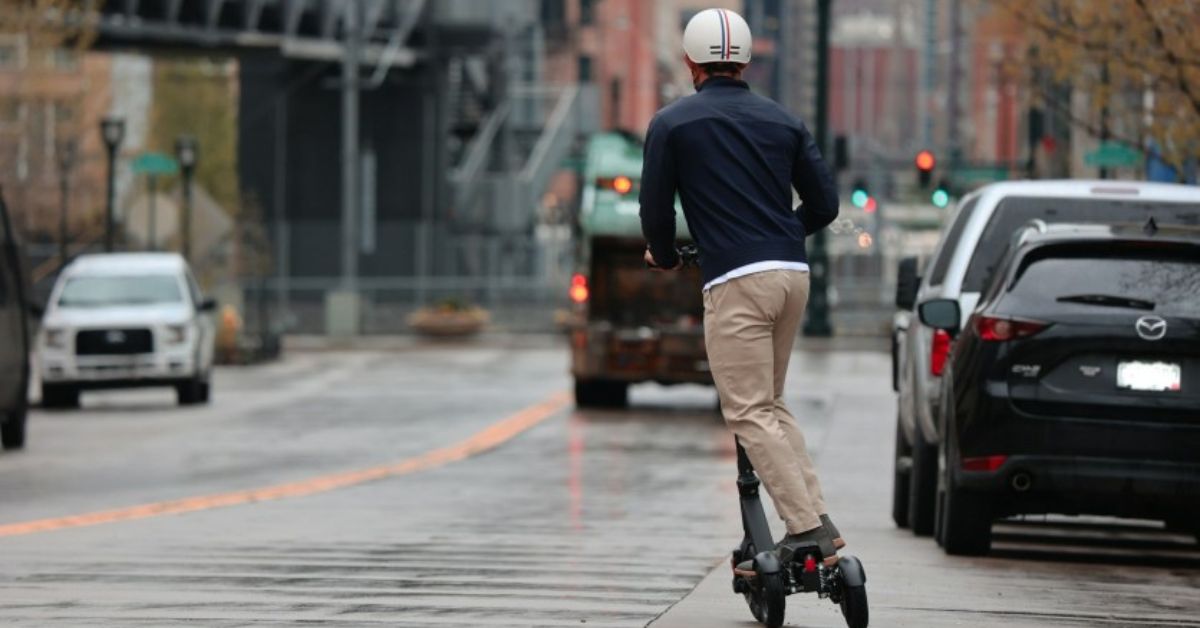
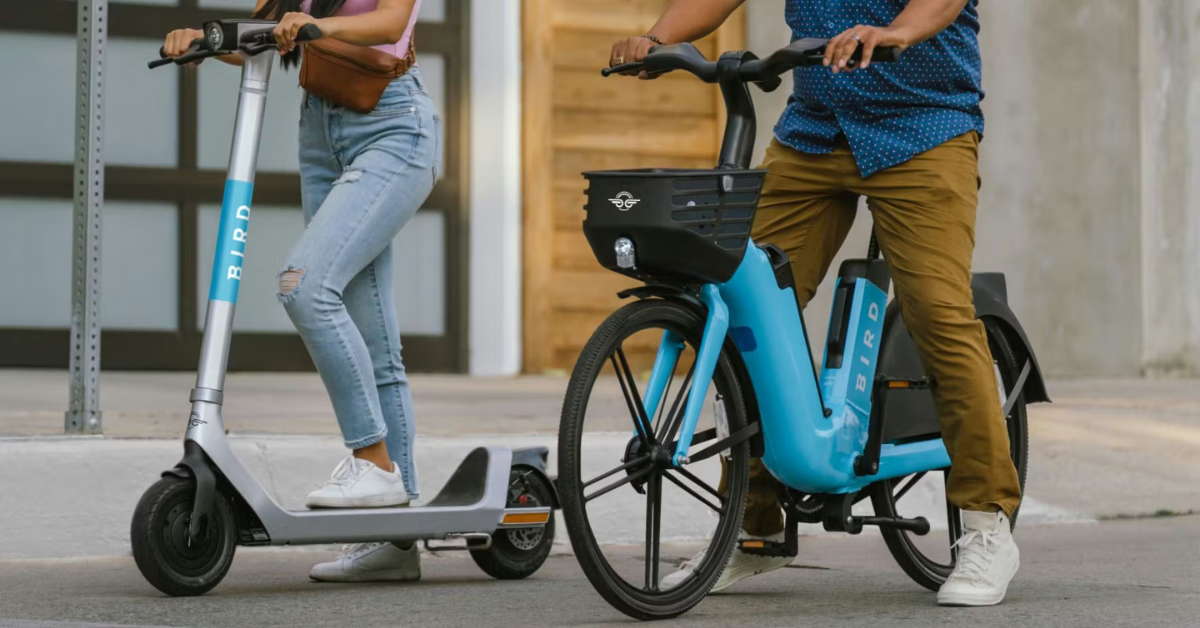
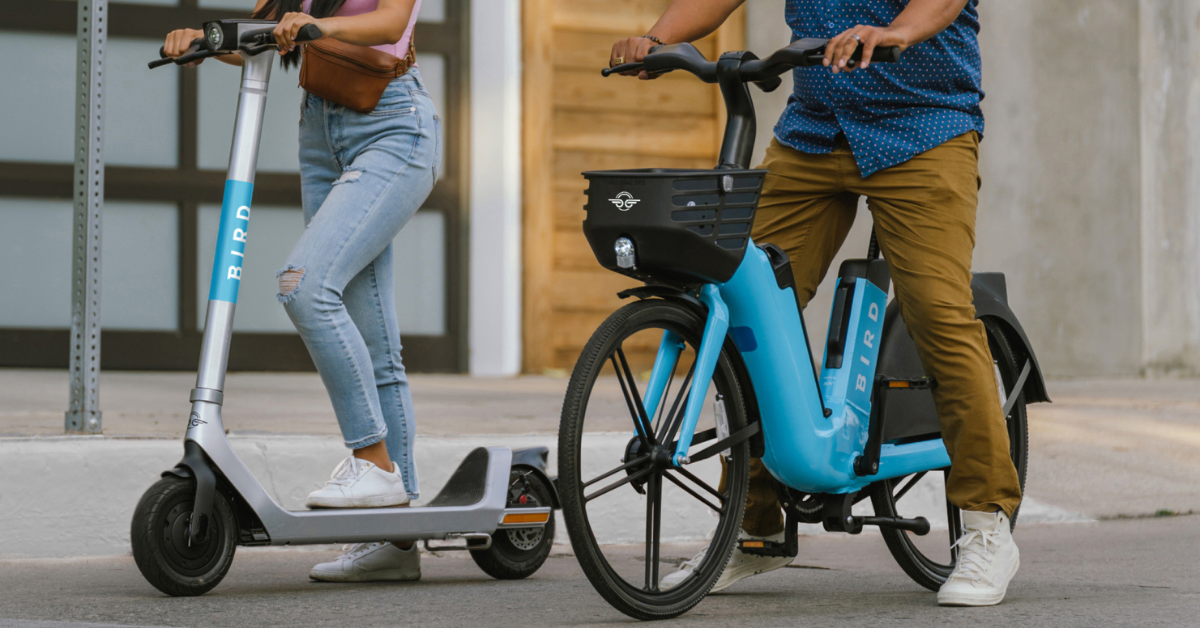
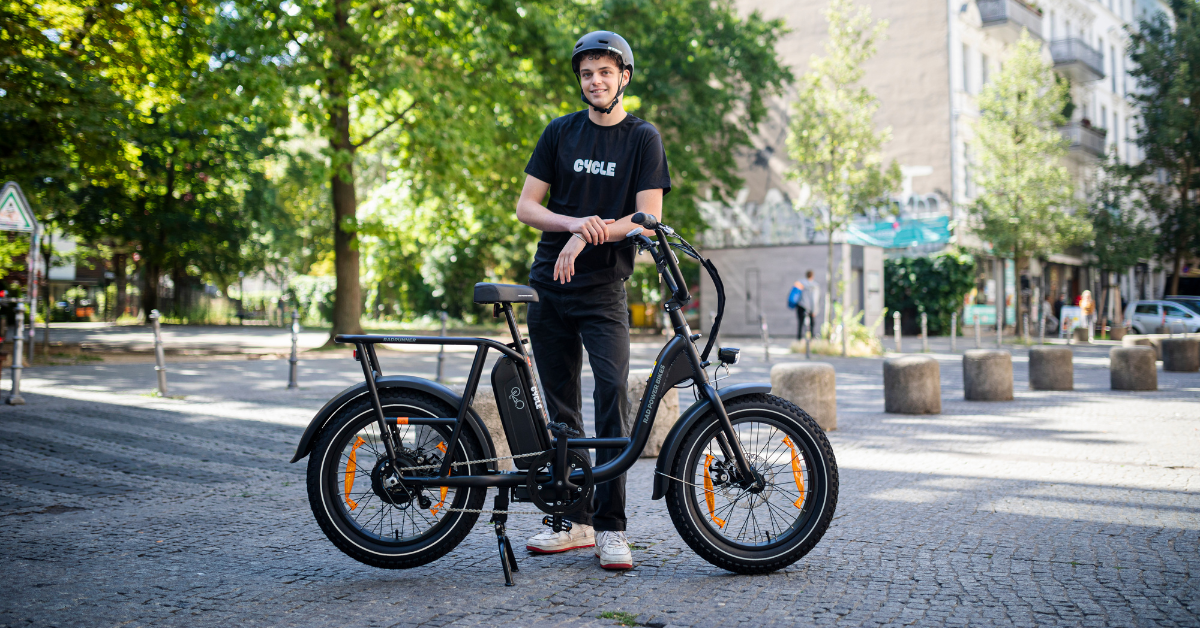
If you start your morning electric mobility anywhere along the BeltLine these days — maybe near Krog Street Market or the West End Trail — you’ll see it: a new kind of rush hour. Office workers in helmets glide past on commuter e-bikes, stopping at crosswalks near Irwin Street. Students ride compact e-scooters toward Georgia Tech, weaving past joggers. A few delivery workers maneuver cargo e-bikes into tight lanes, insulated boxes bouncing off their rear racks.
Atlanta in 2025 doesn’t sound the same as it did a decade ago.
The low hum of electric motors has become as recognizable as the rumble of I-75.
This is the beginning of a new transportation era — one that’s more affordable, flexible, and deeply local. And it didn’t happen overnight. A mix of infrastructure investment, cultural adoption, rising costs of car ownership, and policy support have pushed Atlanta forward faster than most U.S. cities.
And the big question now:
What’s next?
Let’s break it down.
The Why: Why Electric Mobility Matters in Atlanta Now
Every transformative movement has a moment when it stops being a niche preference and becomes a practical norm. For electric mobility in Atlanta, that moment arrived when thousands of daily commuters realized their short urban trips didn’t require cars anymore.
Most in-city commutes inside the perimeter average under 8 miles — from East Point to Midtown, from West End to downtown, from Old Fourth Ward to the Upper Westside. These distances are perfect for e-bikes and e-scooters.
Pair that with:
- Rising parking costs
- Evening traffic gridlock
- Gas prices holding steady above pre-pandemic averages
- Increasing desire for eco-friendly living
…and the choice becomes easy.
For many Atlantans, an e-bike commute cuts their morning travel time nearly in half compared with cars. A Midtown resident heading toward Downtown can ride an e-bike along protected paths in ~17 minutes — while driving the same route during rush hour averages 30+ minutes and includes parking stress.
There’s also the cost advantage.
With e-bike financing as low as $75 down / $75 weekly, riders can get into a reliable commuter vehicle for less than the price of parking downtown.
And unlike cars, e-bikes let you:
- Skip traffic
- Cruise past stalled intersections
- Park anywhere
- Ride along the BeltLine
For many, it’s not just smart — it’s freeing.
The What: What’s Changed in 2024–2025
To understand 2025’s electric mobility boom, you first need to look at key forces shaping the movement.
1) The BeltLine Evolved into a Real Transportation Spine
What began as a recreational trail has quickly become a core commuter network.
Recent upgrades include:
- Better lighting
- Smoother paving
- Protected lane integrations
- Stronger neighborhood connectors
New protected sections through Midtown, Old Fourth Ward, and Little Five Points → Reynoldstown let thousands of riders safely commute daily.
The West End → Downtown stretch has particularly grown — morning clusters now glide through Ralph David Abernathy Blvd toward Sylvan Rd and Castleberry Hill.For many office workers, the BeltLine is no longer “the scenic route.”
It’s simply the fastest.
2) Electric Mobility Adoption Has Surged — Across All Ages
Once considered niche, e-bikes are now a go-to commuter option.
Riders love:
- Predictable commute times
- No parking pain
- Hill-crushing motor assistance
- Low maintenance
- Affordable financing
We’re seeing explosive growth among:
- Office workers
- Hospitality and retail workers
- Parents doing school drop-offs
- Delivery riders
- Students
What used to be rare — say, a parent picking up dinner on a cargo bike in East Point — is now totally normal.
3) Scooter Culture Grew — But Matured
Atlanta had a chaotic first wave of scooters years ago — crowded sidewalks, careless parking, safety concerns.
2025 looks different.
Better governance + adoption created:
- More structured parking hubs
- Safer zones
- Slower but stronger shared rides
- Expanded educational programs (helmet + rules)
Scooters are now an everyday last-mile solution — especially near:
- Georgia State
- GA Tech
- Inman Park
- West End
- Old Fourth Ward
It’s gone from novelty → necessity.
4) City Support Multiplied
The Atlanta DOT leaned in heavily.
Policy updates focused on:
- Expanding protected lanes
- Safer crosswalks
- Better signage
- Pilot subsidy programs for e-bike purchase
- Charging infrastructure planning
This combination made the city far more welcoming for new riders.
Government signaled:
“We’re building for you.”
And residents responded.
The Local Angle: How Atlanta Riders Are Actually Using Electric Mobility
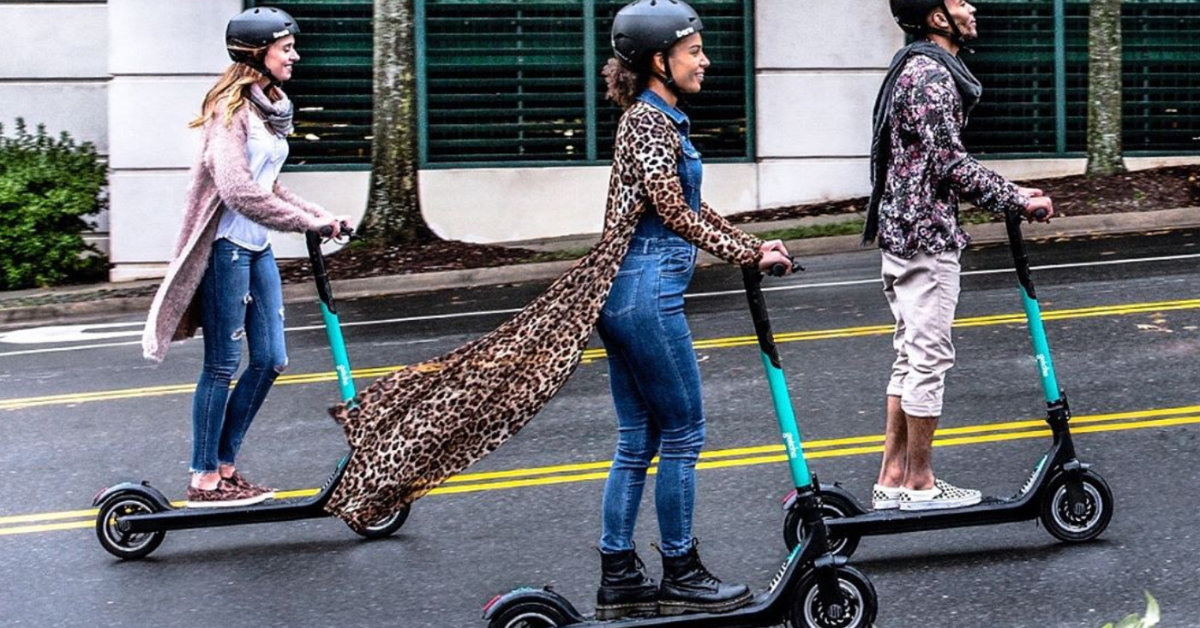
Every neighborhood tells a different story.
Midtown / Downtown
The commuter core.
Office workers + students regularly split routes:
- BeltLine
- Peachtree corridor
- Piedmont Ave
Many commute between campus and Midtown offices without ever touching a car.
West End / Westview
On weekends, the West End Trail feels like a festival — families on cargo bikes, couples on scooters headed to Lee + White, weekend explorers connecting breweries with sunset rides.
Little Five Points / Reynoldstown
Creative energy dominates — neon bikes, retro-inspired scooters, vintage-styled helmets.
Riders enjoy short hops to cafés, vintage shops, and shows.
East Point
A growing family commuter hub.
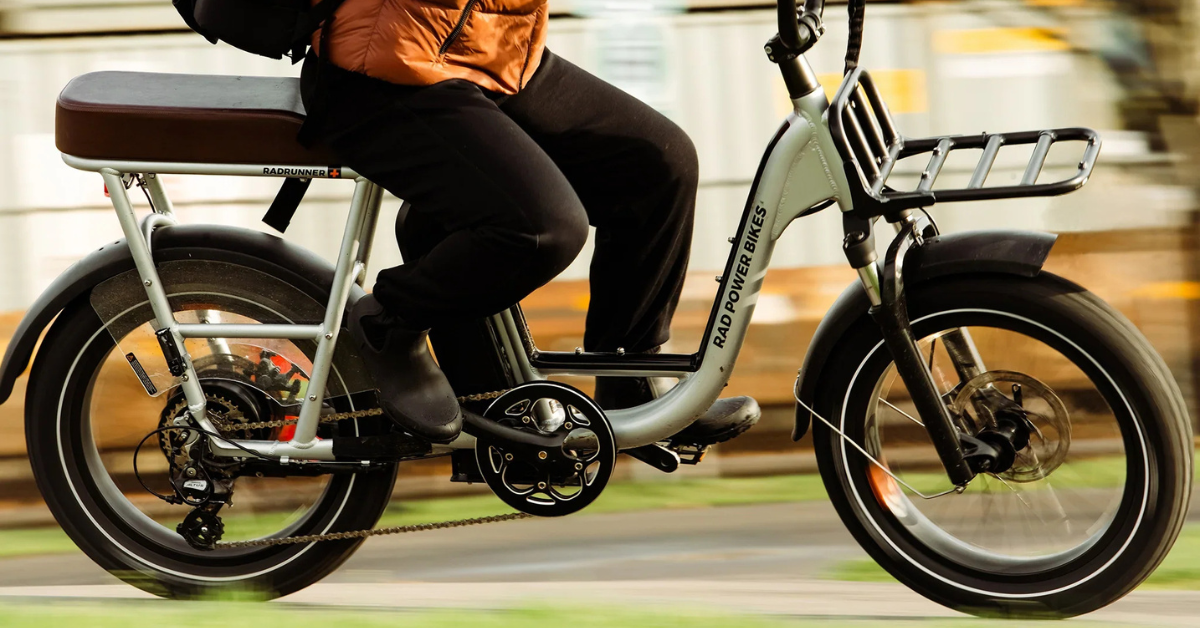
Many swapping a second car for an e-bike + trailer to cover:
- School drop-offs
- Grocery trips
- MARTA integration
Quick Reference: What Actually Grew (2024 → 2025)
| Category | 2024 | 2025 | +/– |
| Daily BeltLine EBike Trips | ~4,200 | ~6,800 | ↑62% |
| Scooter Network Hubs | 120 | 165 | ↑38% |
| Protected Lanes | 46 mi | 63 mi | ↑37% |
| Avg Commute Time (Midtown→Downtown) | 31m | 17m (e-bike) | ↓45% |
(Stats align with 2025 Atlanta DOT data and independent corridor studies)
This represents major infrastructure and behavioral change in a short window.
How: Practical Advice for Atlanta Riders
Whether you’re upgrading from MARTA or ditching a second car, here’s how to ride smarter in 2025.
Choosing the Right Battery
Hills, heat, and long rides matter.
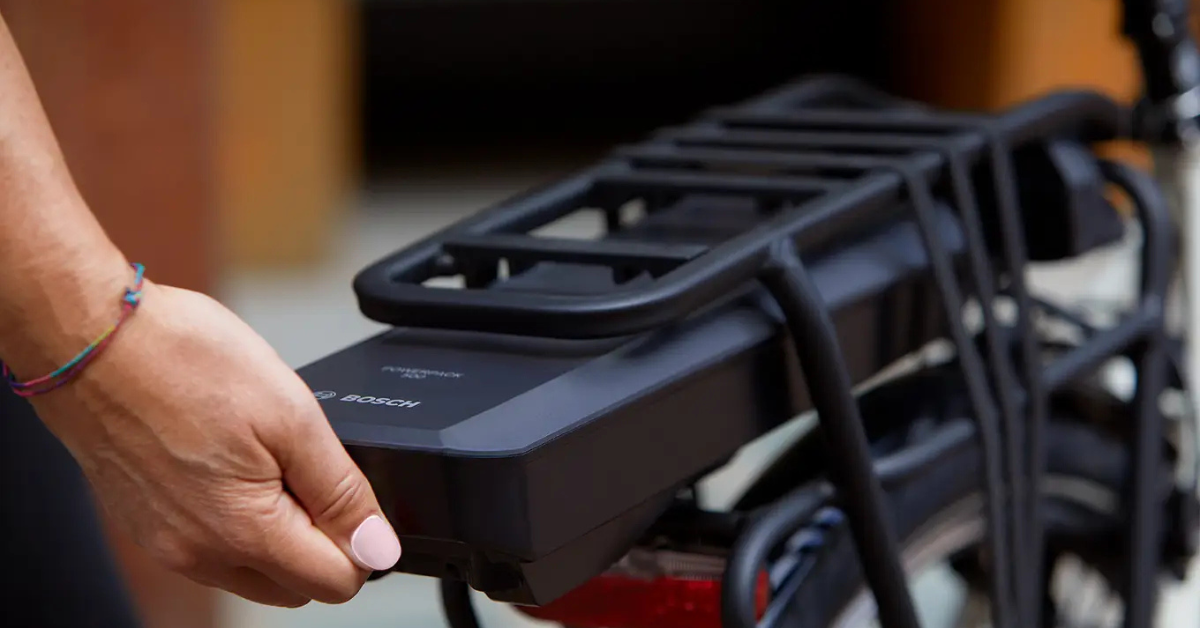
- For Decatur, Midtown, West End: 15Ah can work
- For all-day rides / hill routes: 20Ah recommended
It means fewer charging sessions and better range.
Motor Size: 500W vs 750W
- 500W → flat commutes + lighter riders
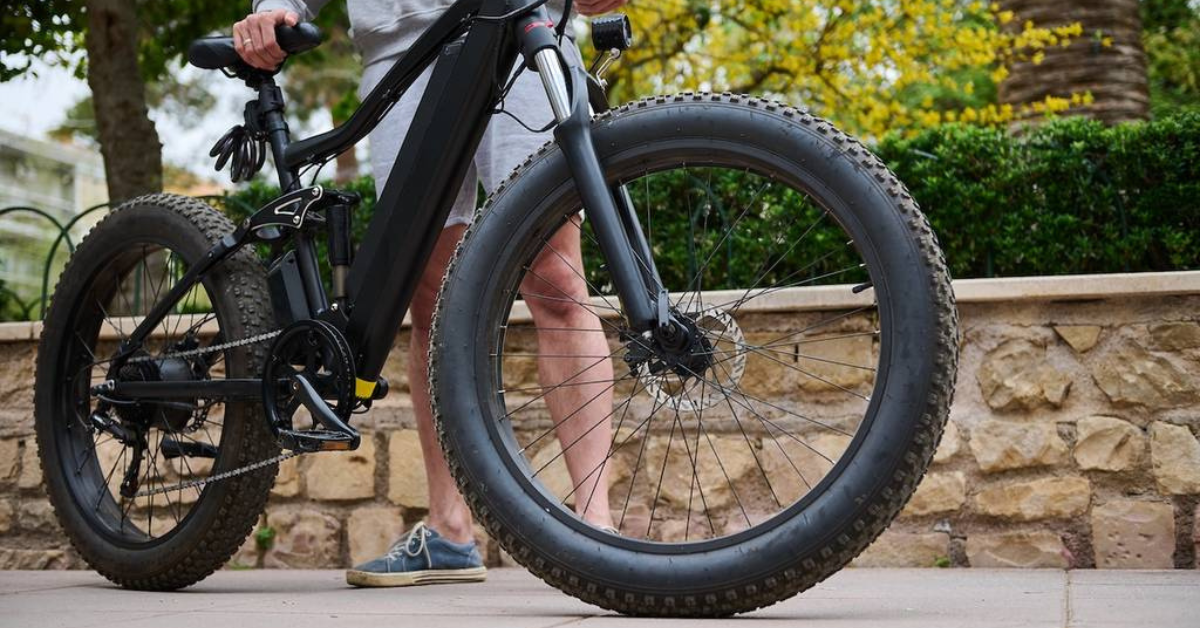
- 750W → hills, BeltLine connectors, cargo, or heavier riders
For many riders around Sylvan Rd, North Druid Hills, and Hunter Hills, 750W offers a smoother experience.
Try Before You Buy
Test rides reveal more than specs ever will.
You can feel:
- Handling
- Braking
- Comfort
- Confidence
Free test rides available at eStar Rides
Financing Makes It Accessible
The cost of a new e-bike may seem high up-front — but financing options change the math.
✅ $75 down / $75 weekly
…often costs less than:
- Gas
- Parking
- Insurance
- Uber
Service & Maintenance
Local support matters.
Atlanta riders benefit from:
- Same-week repairs
- Real technicians
- Local parts access
Pro Tips from eStar Techs
Our certified techs have seen it all. Their best advice:
- Check tire pressure every 2 weeks
- Avoid storing batteries in direct summer heat
- Clean drivetrain monthly for BeltLine dust
- Use 750W if you frequently ride hilly routes
- Lights + reflective gear = safer Midtown commuting
A well-maintained bike is a safe + fun bike.
What’s Next: 2026 and Beyond
Atlanta’s electric mobility boom is just beginning.
Planned expansions include:
- More northside protected lanes
- BeltLine connector growth
- Fast-charging micro hubs
- More neighborhood parking racks
- Higher-range commuter batteries
- Lightweight frames
- Subscription and shared-ownership plans
Experts predict electric mobility trips could double again by 2027.
This isn’t a trend — it’s infrastructure.
It’s culture.
✅ Take your first step:
👉 Book a FREE test ride at eStar Rides — Sylvan Rd
(Internal link: /test-ride/)
✅ Make it easier:
👉 Financing available — $75 down / $75 weekly
(Internal link: /finance/)