
eStar Velocity
Battery Replacement vs Battery Rebuild: Which Is Right for Your E-Bike?


It starts the same way for a lot of Atlanta riders.
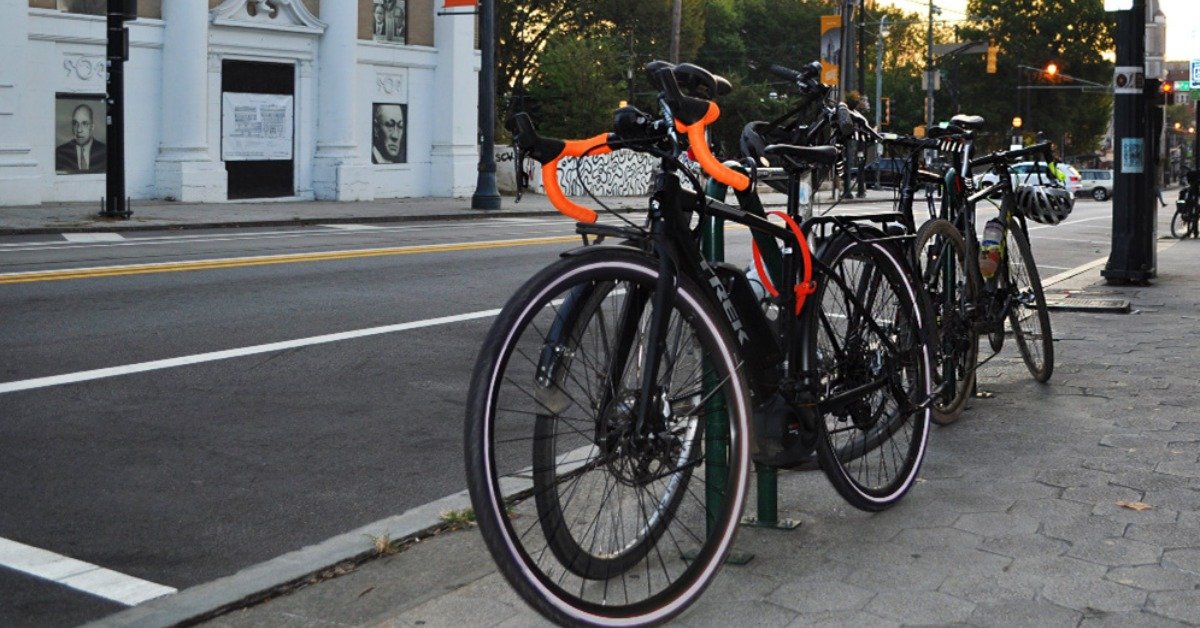
You’re cruising the BeltLine near Ponce City Market, feeling good about skipping traffic, when you glance down and realize your battery is dropping faster than it used to. That ride you once finished with 30% left now barely makes it home. Suddenly, the question hits:
Do I replace the battery… or rebuild it?
For many riders, this decision feels confusing, expensive, and urgent. The truth is, there is no one-size-fits-all answer — but there is a right answer for your specific battery, riding habits, and Atlanta conditions.
Let’s break it down clearly.
Why E-Bikes Are Smarter for Daily Atlanta Commuting
Atlanta is a city that rewards electric mobility. Long distances, busy streets, rolling hills, and year-round riding make e-bikes one of the smartest ways to commute here.
But none of that works without a healthy battery.
Your battery is the heart of your e-bike. It powers:
- Hill climbs in West End
- Long BeltLine rides
- Stop-and-go traffic in Midtown
- Quick errands in Little Five Points
When battery health declines, performance suffers fast — and the wrong decision can cost you hundreds.
What’s the Difference Between Battery Replacement and Battery Rebuild?
Battery Replacement Explained
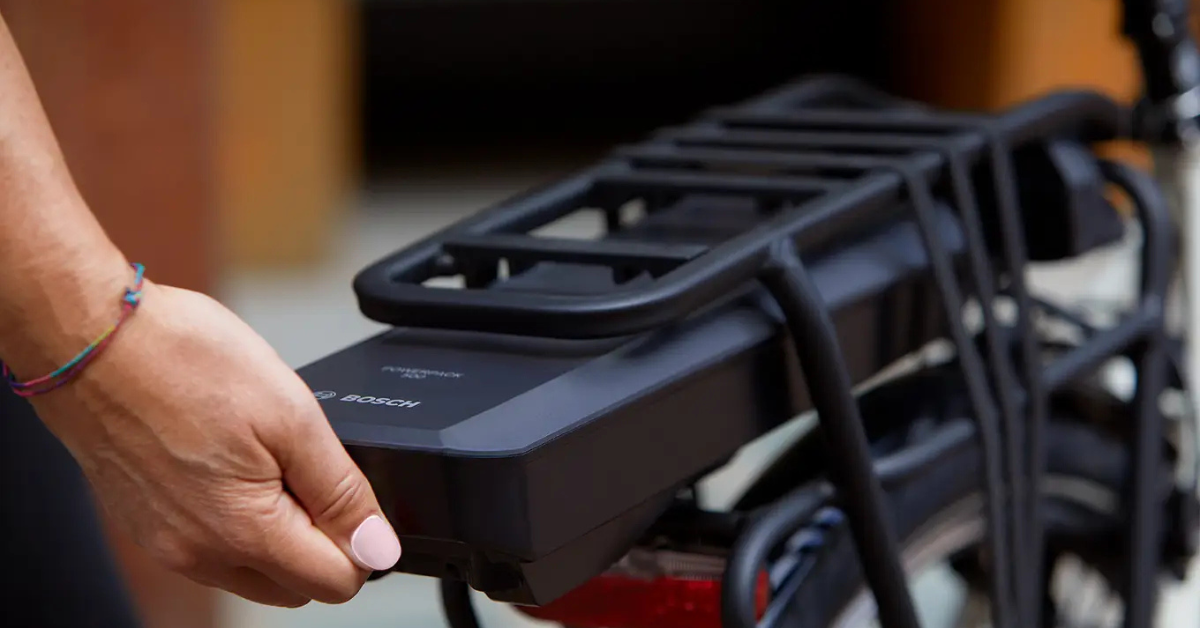
A battery replacement means installing a completely new battery pack.
This is usually the best option when:
- The casing is damaged
- The battery has swelled
- Water has entered the pack
- Cells are severely degraded
- The model is outdated or unsafe
Pros:
- Comes with warranty
- Fast turnaround
- Like-new performance
- Lower long-term risk
Cons:
- Higher upfront cost
- Less environmentally friendly
Battery Rebuild Explained
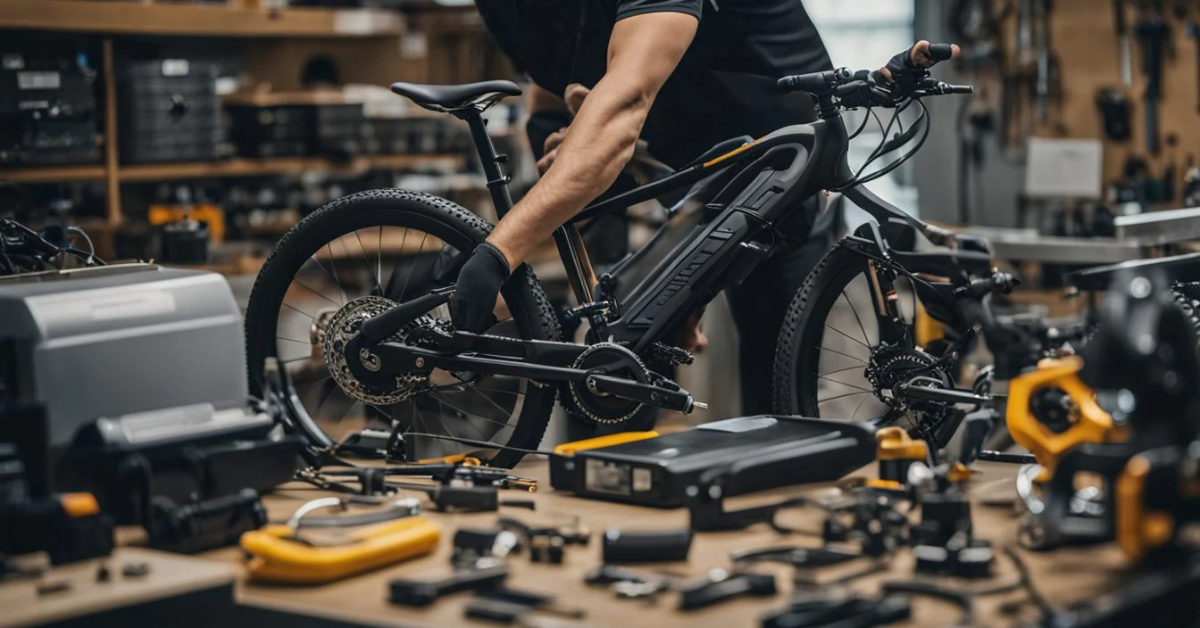
A rebuild involves opening your existing battery and replacing worn-out cells while keeping the original casing and structure.
This makes sense when:
- The casing is intact
- Only some cells are degraded
- The battery is rare or discontinued
- You want a lower-cost solution
Pros:
- Lower cost
- Extends battery life
- More sustainable
- Ideal for premium casings
Cons:
- Takes more time
- Limited warranty
- Not always safe or viable
Quick Reference: Replace vs Rebuild
| Factor | Replace | Rebuild |
| Cost | Higher | Lower |
| Time | Faster | Moderate |
| Warranty | Yes | Limited |
| Sustainability | Lower | Higher |
| Best For | Severe damage | Aging but intact packs |
When Battery Replacement Is the Smarter Choice
In some cases, rebuilding isn’t just impractical — it’s unsafe.
You should replace your battery if:
- It is swollen or deformed
- It shows signs of overheating
- Water has entered the pack
- The casing is cracked
- The battery cuts out under mild load
- It no longer holds charge consistently
These aren’t just performance issues — they are safety concerns. In Atlanta’s heat and humidity, compromised batteries become fire risks much faster than in cooler climates.
When Battery Rebuild Makes More Sense
Rebuilds are ideal when the battery structure is solid but the performance is fading.
Good rebuild candidates include:
- Batteries with reduced range but stable output
- Premium casings from quality manufacturers
- Discontinued models that are hard to replace
- Riders looking to save without sacrificing safety
A professional rebuild can restore 80–90% of original capacity at a significantly lower cost than full replacement.
Why You Should Never Decide Without Diagnostics
This is where many riders go wrong — choosing based on symptoms alone.
A battery that feels dead may simply be:
- Out of balance
- Affected by controller faults
- Experiencing voltage sag
- Or suffering from thermal stress
Without diagnostics, riders often:
- Replace batteries unnecessarily
- Miss controller issues
- Overpay for the wrong fix
👉 Book Battery Diagnostics → /repairs/
Professional diagnostics measure:
- Individual cell performance
- Voltage balance
- Heat behavior
- Load handling
This ensures you rebuild or replace for the right reason — not just the obvious one.
The Atlanta Factor: Why Batteries Fail Differently Here
Atlanta puts batteries under unique stress:
- Hills demand high torque
- Heat accelerates cell degradation
- Stop-and-go traffic strains voltage
- Humidity affects connectors
- Year-round riding compounds wear
A battery that might last five years in flat, cool cities may struggle after three here — especially without proper charging and storage habits.
Safe Charging & Storage Matter More Than You Think
Many battery failures start with daily habits, not manufacturing defects.
If you want to delay both rebuilds and replacements, follow proper care
Bad habits that shorten battery life:
- Charging immediately after riding
- Leaving batteries in hot cars
- Storing in unventilated garages
- Overcharging overnight
- Using damaged chargers
Smart care can extend battery life by years.
What To Do If Your Battery Fails Mid-Ride
If your battery cuts out while riding:
- Pull over safely
- Do not attempt repeated restarts
- Let it cool completely
- Avoid riding further
- Arrange service or temporary transportation
Never push a compromised battery — it’s not worth the risk.
Pro Tips from eStar Techs
- Store batteries indoors in extreme heat
- Keep charge between 20–80% when possible
- Avoid riding hard at low charge
- Don’t use off-brand chargers
- If performance drops suddenly, get diagnostics immediately
Battery issues caught early are far cheaper to fix.
Considering an Upgrade Instead?
Sometimes diagnostics reveal it’s smarter to upgrade your bike instead of investing heavily in aging components.
Atlanta riders can:
- Explore newer models with better battery tech
- Take free test rides
- Use financing like $75 down / $75 weekly
- Avoid repeated battery expenses
A new bike with modern cells may outperform an old one even after rebuild.
Conclusion: Replacement or Rebuild — Let Facts Decide
Battery replacement vs rebuild isn’t about preference — it’s about what your battery can safely and realistically support.
The smartest move is always:
👉 Start with diagnostics.
That way you:
- Avoid unnecessary costs
- Stay safe
- Get the best long-term value
- And keep riding Atlanta with confidence
Don’t guess. Test first. Ride smarter.